Milonga: A Dainty Handwritten Font for Elegant Branding Projects
Milonga in a Café Branding Project: First Impressions
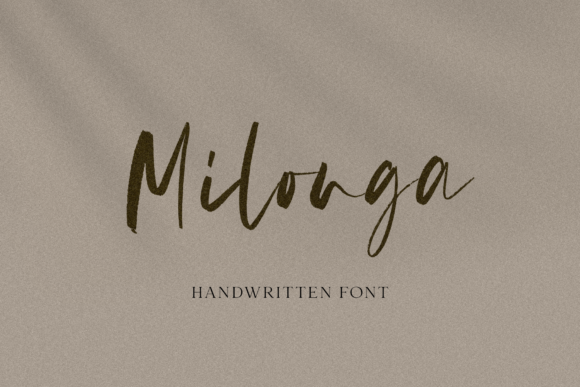
When I opened the brand board for a local café refresh, I was looking for something warm, inviting, and just a little whimsical. Milonga, a dainty and elegant handwritten font, caught my eye immediately. It felt like the perfect fit for a cozy neighborhood spot with a focus on artisanal coffee and homemade pastries. The first test was placing it on the logo concept mockup. I was struck by how effortlessly it balanced charm and professionalism. It didn’t scream for attention like some script fonts do, but instead whispered elegance—exactly what this brand needed.
Milonga for Logo Design: Style and Substance
As a brand designer, I’m always cautious about using script fonts in logos. Many feel too cursive or overly stylized, making them hard to read at small sizes or from a distance. Milonga surprised me. Its delicate strokes and consistent baseline made it surprisingly legible while still retaining a handwritten charm. I used it for the café’s primary logo and found that it scaled beautifully from a business card to a shop sign. Milonga is a dainty and elegant handwritten font that works best when used as a display font or headline font—especially for brands that want to feel personal and boutique.
Pairing Milonga with Supporting Fonts
No font works in isolation, especially in brand identity work. I paired Milonga with a clean sans serif for secondary text and subheadings. The contrast between the soft, flowing script and the modern sans serif created a nice visual rhythm that felt both contemporary and human. Milonga works best when used as an accent font or logo font, not for long body copy. That said, when used sparingly, it elevates the overall design without overpowering the message.
Milonga in Packaging and Print Design
I tested Milonga on a few packaging mockups—specifically, custom coffee bag labels and small pastry tags. The font’s delicate nature translated beautifully to print, especially when paired with soft color palettes and minimalist layout styles. It gave the packaging a handmade, boutique feel that resonated well with the target audience. However, I noticed that in very small sizes or on low-resolution prints, some of the fine strokes started to disappear. So while Milonga is a dainty and elegant handwritten font, it’s best reserved for larger text elements like product names or taglines rather than ingredient lists or footnotes.
Milonga for Web and Social Media Design
Next, I brought Milonga into a website header and a few Instagram story templates. It performed surprisingly well on screen, especially in hero sections and quote graphics. The font’s soft curves and organic texture gave the web design a personal touch, which is rare in today’s world of sterile, over-polished layouts. I did have to adjust line spacing and font size carefully to maintain readability. For social media use, Milonga is best for short phrases or accent text—think pull quotes, callouts, or event titles. It’s not ideal for long captions or paragraph text, but as a decorative font or headline font, it shines.
Real Talk: When Milonga Isn’t the Right Choice
While Milonga is a dainty and elegant handwritten font that elevates designs, it’s not a one-size-fits-all solution. It lacks the boldness and clarity needed for formal corporate branding or legal documentation. I wouldn’t recommend it for technical documents, academic materials, or anything that needs to feel ultra-professional or authoritative. It’s also not ideal for long-form editorial design or body copy in print. Stick to using Milonga as a logo font, accent font, or decorative font in design systems where personality and charm are the priority.
Final Notes on Using Milonga in Branding Projects
If you’re working on a creative studio identity, handmade shop branding, or a local restaurant logo system, Milonga could be the font that brings your concept to life. It’s a script handwritten font that feels both modern and timeless, and it plays well with others in a font pairing. Before using it in final client work, always test Milonga at multiple sizes and in different formats—print, web, and mobile. Also, be sure to check the font licensing to ensure it’s cleared for commercial use, especially if you’re designing packaging, merchandise, or digital templates. As a script handwritten font, Milonga is a premium font choice for designers who want to add a touch of elegance without sacrificing personality.